
laminated glass car windows
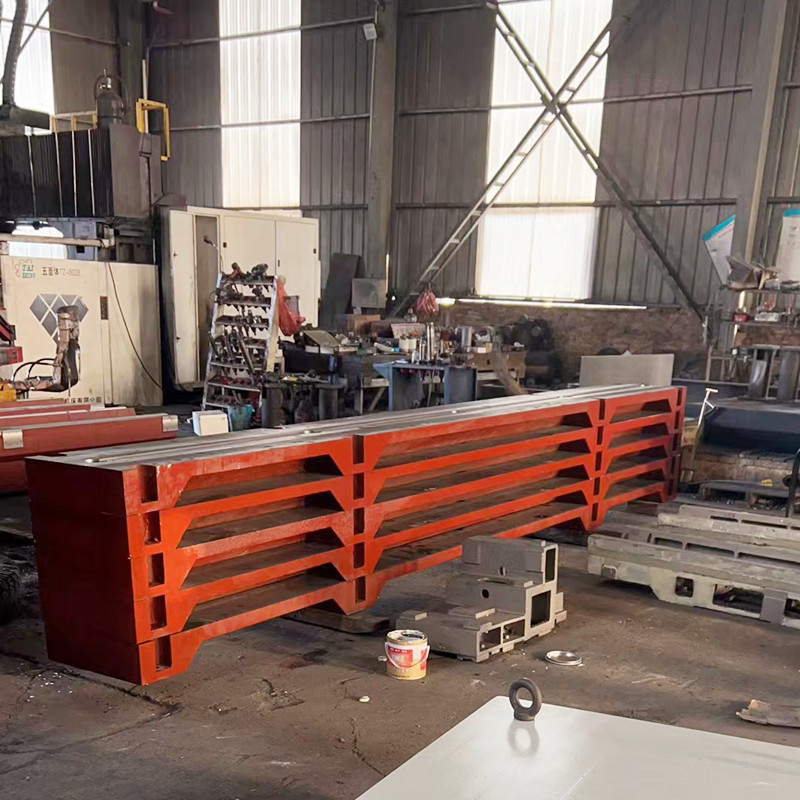
The Importance of Heavy Duty Welding Tables in Metal Fabrication In the world of metal fabrication, precision, stability, and durability are paramount. Whether you are a seasoned professional or a hobbyist, having the right workspace can significantly enhance the quality of your work. Among the essential tools in a metalworker’s arsenal is the heavy-duty welding table. This article explores the characteristics, benefits, and considerations of investing in a quality welding table, particularly those categorized as heavy-duty. Understanding Heavy Duty Welding Tables Heavy-duty welding tables are designed to withstand the rigors of intense metalworking tasks. Unlike standard tables, which may warp or buckle under heavy loads or excessive heat, heavy-duty tables are built with robust materials and sturdy construction to handle various welding projects. Typically made from reinforced steel or high-strength alloys, these tables provide a stable surface that is crucial for accuracy and safety during welding operations. Key Features of Heavy Duty Welding Tables 1. Sturdy Construction One of the most significant advantages of heavy-duty welding tables is their construction. They often feature thicker tops—usually around 1 inch or more—and reinforced edges. This sturdiness ensures minimal deflection, allowing for precise work and reducing the risk of damage to both the tabletop and the materials being worked on. 2. Weight Capacity Heavy-duty tables are built to handle substantial loads. Most models can support several hundred to over a thousand pounds, making them suitable for heavy metal pieces or large assemblies. This capacity is vital, especially in industrial settings where large components must be welded together. 3. Adjustable Height and Mobility Options Many heavy-duty welding tables come equipped with adjustable legs, allowing users to modify the height according to their preferences or requirements. Additionally, features like locking casters can provide mobility. This combination allows for versatility in the workplace, accommodating different types of welding tasks while ensuring stability when the table is in use. 4. Integrated Clamping Systems To facilitate the fabrication process, many heavy-duty tables include built-in clamping systems or holes for securing workpieces. This capability allows for better control over the workpieces, enhancing both safety and accuracy during welding. welding table heavy duty 5. Fire Resistance Given the nature of welding, fire resistance is a critical feature . Heavy-duty welding tables are often designed with materials that can withstand high temperatures, reducing the risk of fire hazards in the workshop. Benefits of Using a Heavy Duty Welding Table The advantages of investing in a heavy-duty welding table extend beyond just its physical attributes. Here are several key benefits - Enhanced Accuracy A stable and secure working surface contributes to improved precision in welding tasks. This higher accuracy can lead to better-fitting components and less material wastage. - Increased Safety With a solid table, the hazards associated with unstable or lightweight surfaces diminish significantly. This increased safety extends not only to the welder but also to the entire workspace. - Long-Term Investment Heavy-duty welding tables, while often more expensive upfront than standard tables, are built to last. Their durability means they can withstand years of heavy use without deteriorating, ultimately making them a cost-effective investment. - Versatile Applications These tables are not limited to just welding. They can also serve various purposes in metal fabrication or assembly, making them a multi-functional addition to any workshop. Conclusion In conclusion, a heavy-duty welding table is an essential piece of equipment for anyone serious about metalworking. Its sturdy construction, high weight capacity, and various features enhance both the quality of work produced and the safety of the workspace. Whether you are welding intricate metal art, components for industrial machinery, or structural parts, a heavy-duty welding table is a wise investment that promises to pay off in improved performance and longevity in your projects. For those looking to elevate their metalworking capabilities, a heavy-duty welding table is undoubtedly a critical tool that should not be overlooked.
about
laminated glass car windows
Replacing Water Cut-Off Valves A Comprehensive Guide Water cut-off valves play a crucial role in managing water flow within residential and commercial plumbing systems. These valves help prevent leaks and control the supply of water to various fixtures and appliances. Over time, however, wear and tear can lead to malfunctions, making it essential to replace them promptly. This article will guide you through the process of replacing water cut-off valves, ensuring your plumbing system functions efficiently. Identifying the Need for Replacement Signs that a water cut-off valve needs replacement include difficulty turning the valve handle, visible leaks, or corrosion around the valve. If you notice any of these issues, it’s advisable to address them promptly. Ignoring a faulty valve can lead to significant water damage and increased utility bills. Gathering Necessary Tools and Materials Before embarking on the replacement process, ensure you have the right tools and materials. You will need 1. A new cut-off valve (make sure it matches the size and type of the existing valve) 2. Adjustable wrench 3. Pipe wrench (if necessary) 4. Plumber’s tape 5. Bucket to catch any water 6. Towels or rags for clean-up The Replacement Process replacing water cut off valves 1. Shutting Off the Water Supply Begin by turning off the main water supply to your home. This step is crucial to prevent any water from flowing through the pipes while you work. 2. Draining the Pipes Open faucets connected to the same line as the cut-off valve to drain any remaining water. This will minimize spills when you remove the valve. 3. Removing the Old Valve Use an adjustable wrench to unscrew the old valve. If it’s stuck, a pipe wrench may provide the extra grip needed. Be cautious while removing it, as some water may still be in the pipes. 4. Preparing the New Valve Apply plumber’s tape to the threads of the new valve. This will create a watertight seal when you install it. 5. Installing the New Valve Screw the new cut-off valve into place, tightening it securely with the wrench. Take care not to overtighten, as this could damage the threads. 6. Testing for Leaks Once the new valve is installed, turn the main water supply back on and check for any leaks around the valve. If you notice any leaks, tighten the fittings slightly until the leaks cease. Replacing water cut-off valves may seem daunting, but with the right tools and approach, it can be a manageable DIY task. Maintaining your plumbing system not only enhances its performance but also protects your home from potential water damage. Regular checks and timely replacements will ensure your plumbing remains in top shape for years to come.
-

High quality industrial productsagement

High quality industrial products
View Details -

Meet the diverse needs of customers

Meet the diverse needs of customers
View Details -

Strict quality control

Strict quality control
View Details -

Top raw materials

Top raw materials
View Details -

Trusted supplier

Trusted supplier
View Details
Our application

news and information
Valve Types
Valve types are the unsung heroes in the world of engineering and manufacturing, playing pivotal rol

Válvula de retenção SS
Válvula de Retenção SS Importância e Aplicações No mundo da engenharia e da mecânica, o uso de válvu

water main valve
Understanding the intricacies of water main valves is essential for both homeowners and professional
 English